
coated glass meaning
Understanding the Dial Bore Gauge A Key Tool in Precision Measurement In the world of precision engineering and manufacturing, accuracy is paramount. Among the various tools employed to achieve precise measurements, the dial bore gauge stands out as a critical instrument for ensuring the proper dimensions of cylindrical parts. This article delves into the structure, functionality, and applications of the dial bore gauge, underscoring its significance in modern engineering practices. What is a Dial Bore Gauge? A dial bore gauge is a measuring instrument used to assess the internal diameters of cylindrical workpieces, such as pipes, engine cylinders, and other round components. Unlike standard calipers or micrometers that measure external dimensions, the dial bore gauge is specifically designed to measure the inside diameter (ID) of a hole or bore. This capability is essential in various industries, including automotive, aerospace, and manufacturing, where precise internal dimensions are crucial for performance and safety. Structure of a Dial Bore Gauge The dial bore gauge typically consists of several components 1. Handle The handle provides grip and stability to the user while measuring. 2. Measuring Rod This rod extends into the bore and has an adjustable tip that makes contact with the internal walls of the workpiece. 3. Dial Indicator This is the pivotal element that displays the measurement. The dial gauge is calibrated in a manner that translates the actual movement of the measuring rod into a readable format, often in thousandths of an inch or millimeters. 4. Contact Points These are the tips that touch the inner surface of the bore. Some gauges come equipped with interchangeable tips to accommodate different diameters and surface finishes. 5. Adjustable Base This allows for fine-tuning and ensures that the gauge is set to the required dimensions before taking measurements. How Does a Dial Bore Gauge Work? alat ukur dial bore gauge To use a dial bore gauge, the operator first selects the appropriate measuring tip and attaches it to the measuring rod. The gauge is then inserted into the bore, and the tip is expanded until it makes contact with the bore walls. As the tip touches the circular surface, the dial indicator will show the measurement on the dial face. The operator may need to rotate the gauge slightly to ensure contact with various points along the bore, particularly if the shape is not perfectly round or if there are irregularities. The sensitivity of the dial indicator allows for the detection of even minute variations in diameter, making it an indispensable tool for quality control and precision engineering. Many dial bore gauges feature a needle that moves smoothly within a range, reducing the possibility of human error and improving accuracy. Applications of Dial Bore Gauges The versatility of the dial bore gauge allows it to be employed in various applications 1. Quality Control In manufacturing environments, maintaining tight tolerances is essential for product functionality. Dial bore gauges are used to inspect internal dimensions of parts before they are assembled. 2. Engine Building In the automotive industry, precision measurements of engine cylinders are crucial. Dial bore gauges help ensure that cylinders are within specified limits, directly affecting engine performance. 3. Maintenance and Repair Technicians often use dial bore gauges to assess wear in cylindrical components such as pistons and bearings, allowing for informed decisions regarding repair or replacement. Conclusion The dial bore gauge is a fundamental tool in the arsenal of precision measurement devices. Its capability to accurately measure the internal diameter of bores makes it invaluable across multiple industries, where precision and quality are non-negotiable. With advancements in technology and materials, modern dial bore gauges continue to evolve, offering improved accuracy and ease of use. For anyone involved in manufacturing or engineering, mastering the use of a dial bore gauge is not just beneficial; it is essential for ensuring high-quality, reliable products. Understanding this tool enhances both the measurement process and the overall standards of precision engineering in today’s competitive environment.
about
coated glass meaning
Granite Fabrication Tilt Table Enhancing Efficiency and Precision in Stone Work The stone fabrication industry has evolved significantly over the years, driven by advancements in technology and the consistent demand for high-quality products. Among the many tools and equipment used in this field, the granite fabrication tilt table stands out as a vital piece of machinery that enhances efficiency, safety, and precision in the cutting and shaping of granite surfaces. This article explores the features, benefits, and operational aspects of the granite fabrication tilt table. Understanding Granite Fabrication Tilt Tables A granite fabrication tilt table is a specialized work surface designed to hold large slabs of granite at adjustable angles. This apparatus allows fabricators to perform various tasks, including cutting, polishing, and finishing, with much greater ease and accuracy. Tilt tables are typically built robustly to support heavy granite pieces while providing flexibility in adjusting the angle for different operations. The construction of a tilt table involves high-quality materials such as steel and aluminum, ensuring durability and stability. Many models also feature integrated vacuum systems to secure the stone in place while working, minimizing the risk of movement that can lead to imprecise cuts or accidents. Advantages of Tilt Tables in Granite Fabrication 1. Enhanced Ergonomics The adjustability of tilt tables improves ergonomics for workers. By allowing operators to change the slab's angle, they can avoid awkward postures and reduce strain during repetitive tasks. This ergonomic design not only promotes worker safety but also increases productivity as employees can work more comfortably and efficiently. 2. Improved Precision Precision is paramount in granite fabrication. With a tilt table, fabricators can achieve consistent cuts and finishes by working at optimal angles. Whether the task is cutting, drilling, or polishing, the stability and adjustability of the tilt table contribute to achieving a higher level of accuracy. This precision is crucial in meeting customer expectations and ensuring that installations fit perfectly, thereby reducing waste and additional costs. granite fabrication tilt table 3. Versatility A granite fabrication tilt table can accommodate various sizes and shapes of stone slabs. This versatility is key for shops that handle diverse projects, from countertops to intricate designs . By having the ability to tilt the stone, workers can quickly switch between different operations without needing extensive setup changes. 4. Increased Safety The weight of granite slabs poses significant risks if not handled correctly. A tilt table provides a secure and stable surface, minimizing the chances of accidents. Additionally, the ability to adjust the angle of the slab means that cuts can be made more safely, reducing the risk of injuries associated with manually lifting and maneuvering heavy stones. 5. Time Efficiency Time is money in the fabrication industry. The use of a tilt table streamlines various processes by allowing for quick adjustments and easy access to different angles. This time-saving aspect translates into faster project completion and the ability to take on more work without sacrificing quality. Operational Considerations When integrating a granite fabrication tilt table into a workspace, several factors should be considered. First, it’s essential to assess the shop layout to ensure there is adequate space for maneuvering large slabs and operating the table safely. Moreover, operators should receive proper training to maximize the benefits of the tilt table while adhering to safety protocols. Regular maintenance of the tilt table is also crucial. Checking for wear and tear, ensuring the vacuum system functions correctly, and inspecting the adjustment mechanisms will prolong the equipment’s lifespan and reliability. Conclusion The granite fabrication tilt table is an invaluable asset for any stone fabrication business. By enhancing ergonomics, precision, versatility, safety, and time efficiency, it significantly impacts the quality of the final product and the overall workflow. As the industry continues to adapt to technological advancements, incorporating tools like tilt tables will remain essential for staying competitive and meeting client demands in the granite fabrication market. Investing in such equipment is not only a step toward improving operational efficiency but also a commitment to delivering outstanding craftsmanship in every project.
-

High quality industrial productsagement

High quality industrial products
View Details -

Meet the diverse needs of customers

Meet the diverse needs of customers
View Details -

Strict quality control

Strict quality control
View Details -

Top raw materials

Top raw materials
View Details -

Trusted supplier

Trusted supplier
View Details
Our application
news and information
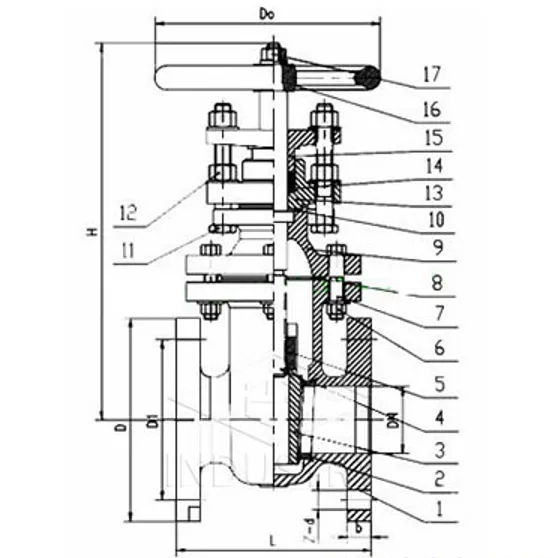
where is the water shut off valve
Where is the Water Shut-Off Valve? Understanding the location and function of the water shut-off val

Wood frame joinery solutions for seamless construction and structural support connections
Wood frame connectors are essential components in any wooden structure, providing stability and supp
y type strainer price
Investing in the right industrial equipment is critical for maintaining operational efficiency, espe
 English